- Feb 13, 2025
Sibling Rivalry
- Donielle Laine
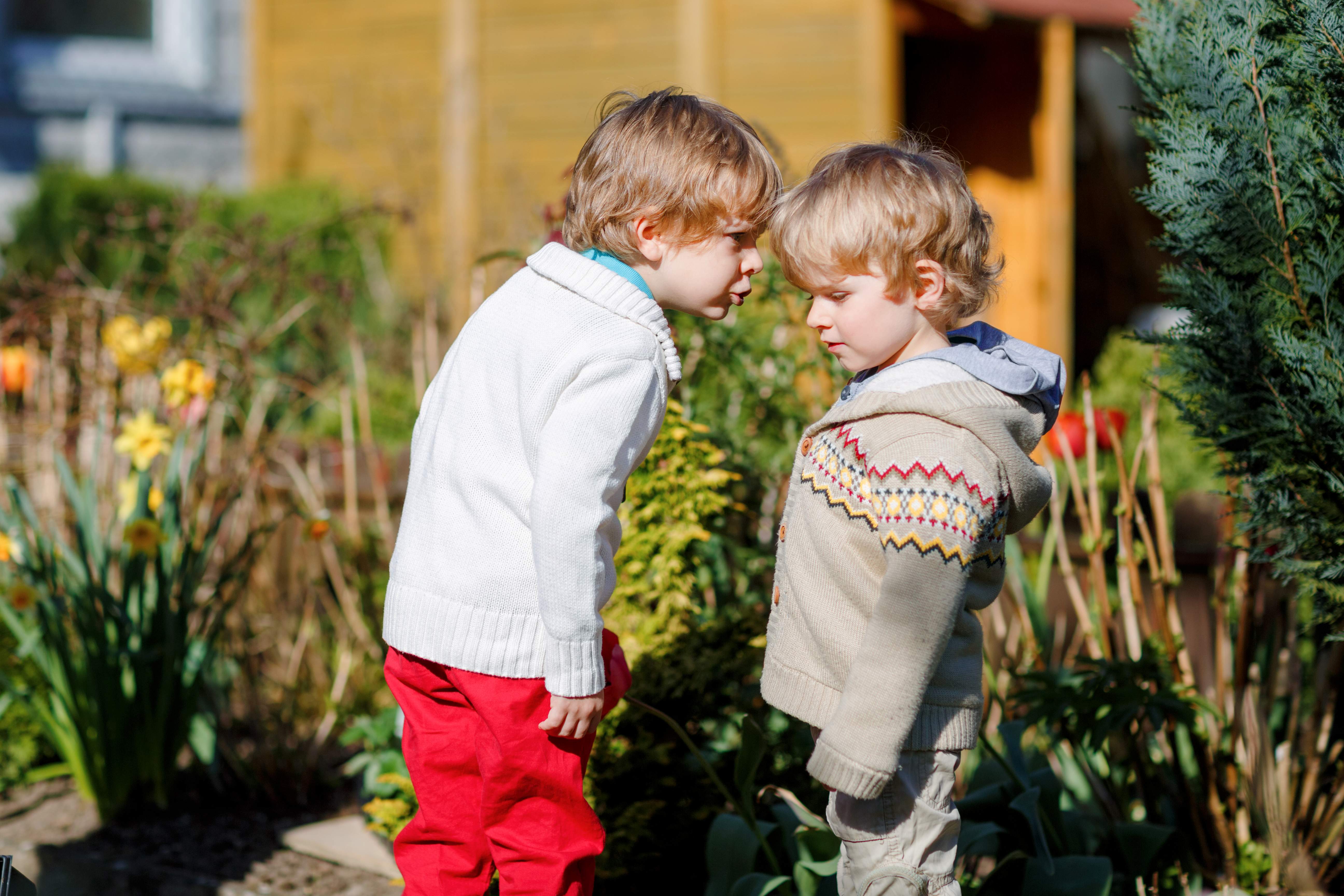
The prevalence of sibling conflict is undeniable and has been portrayed in media and experienced in many families. We've heard of extreme cases involving violence and behaviors that, in any other relationship, would be labeled as abuse or assault. Yet, within the context of siblings, society often normalizes these actions. I challenge the notion that such sibling fighting is inevitable, however.
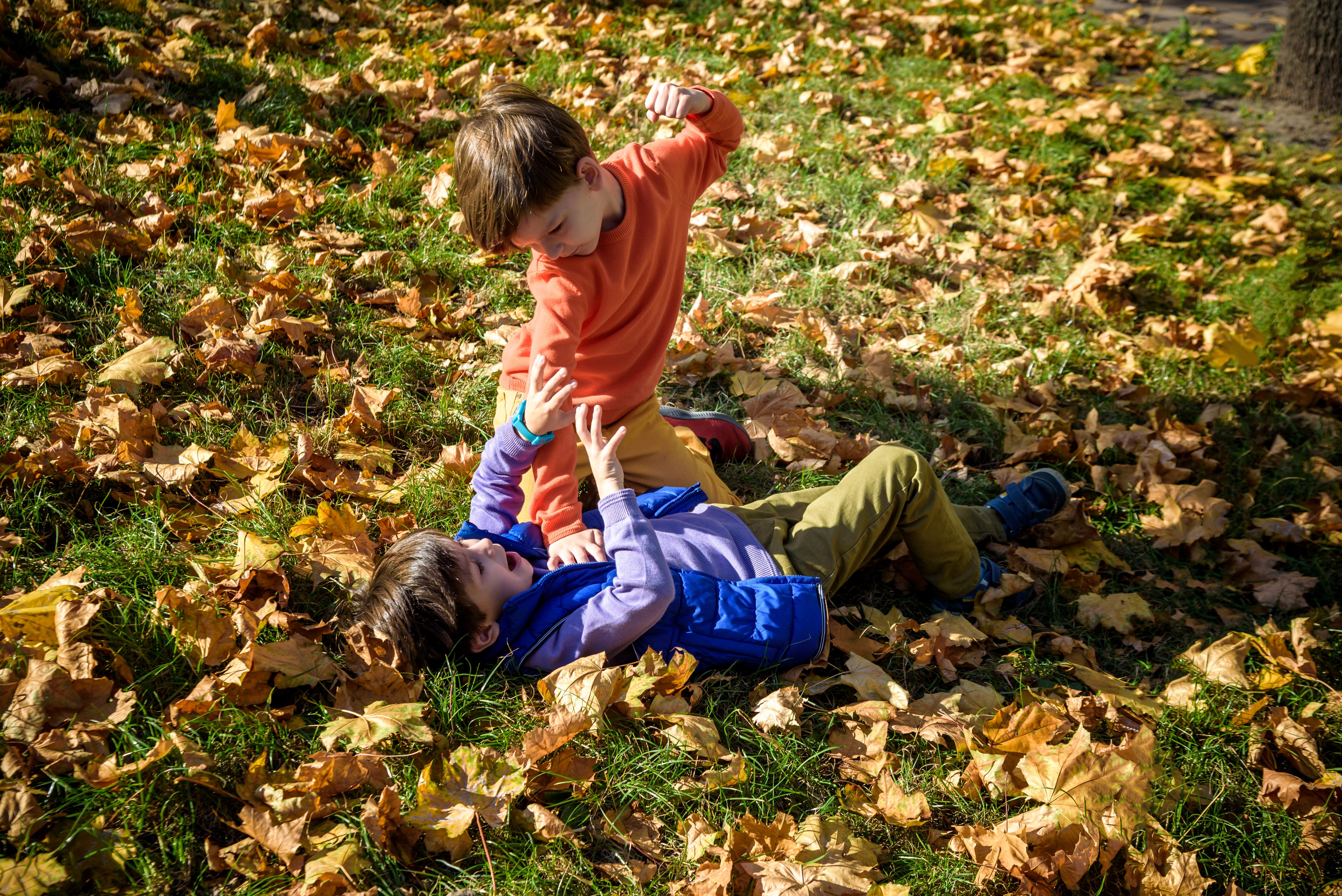
It's a common refrain among parents: "Let them figure it out on their own." Yet, we wouldn't expect children to learn math, manners, or basic life skills without guidance. Why, then, do we assume they can master conflict resolution independently? While children may eventually develop conflict resolution skills through school or other social interactions, this approach leaves much to chance. I often wonder if the strong sibling bonds that sometimes emerge from turbulent childhoods are due to these individuals finally applying conflict resolution skills learned elsewhere. Maturity undoubtedly plays a role, but the foundation must be laid early. Encouraging children in the development of conflict resolution skills is essential, and the sibling relationship provides an ideal training ground.
You may be asking, "Won't stepping in every time just lead them to depend on you forever?" The answer is no. Learning any new skill requires hands-on guidance initially. As with any skill, parental involvement gradually decreases over time, and eventually, you won't even recall the last time you had to assist.
The next question may be, "Where does one even start?" with addressing conflict between siblings. In my experience, it begins as soon as you notice issues arising. My daughters were around four and five years old when I first observed my eldest bullying my youngest. While I had intervened in conflicts before, this was when I actively focused on teaching conflict resolution. I was determined not to allow any of my children to bully others, including their sibling.
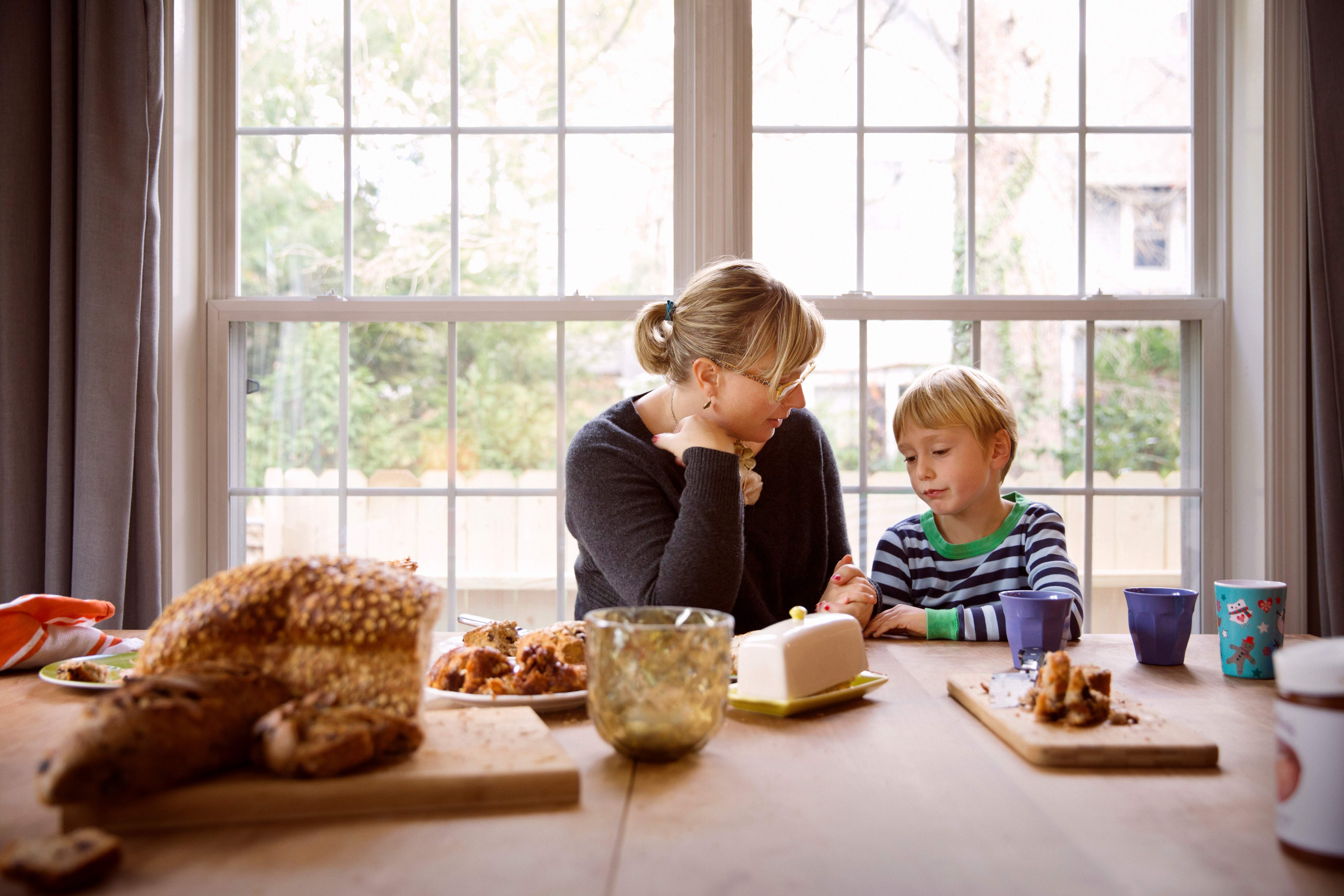
My first step was to investigate the triggers for the bullying. I noticed it always occurred at bedtime when my eldest was angry about having to sleep and took it out on her sister. I helped her recognize her actions and feelings, explaining that hurting her sister due to anger was not appropriate. We brainstormed more suitable ways to manage her anger.
As time passed, squabbles arose over toys and games. I taught them to take turns, share toys evenly, and recognize when they needed a break from each other. I emphasized respecting boundaries and the importance of stopping immediately when someone said "no" or "stop." Repetition was key in their learning process.
After a few months of consistent intervention, I started waiting briefly before stepping in, observing if they could resolve conflicts independently. Over the next four to five years, my intervention became less and less frequent. Now, at fifteen and almost fourteen years old, I can't recall the last time I had to intervene or even heard them argue seriously. While they undoubtedly have disagreements, they effectively resolve them on their own.
A significant bonus is that they know they can still come to me for help with new or unfamiliar conflicts. My past support has instilled confidence that I can assist them now.
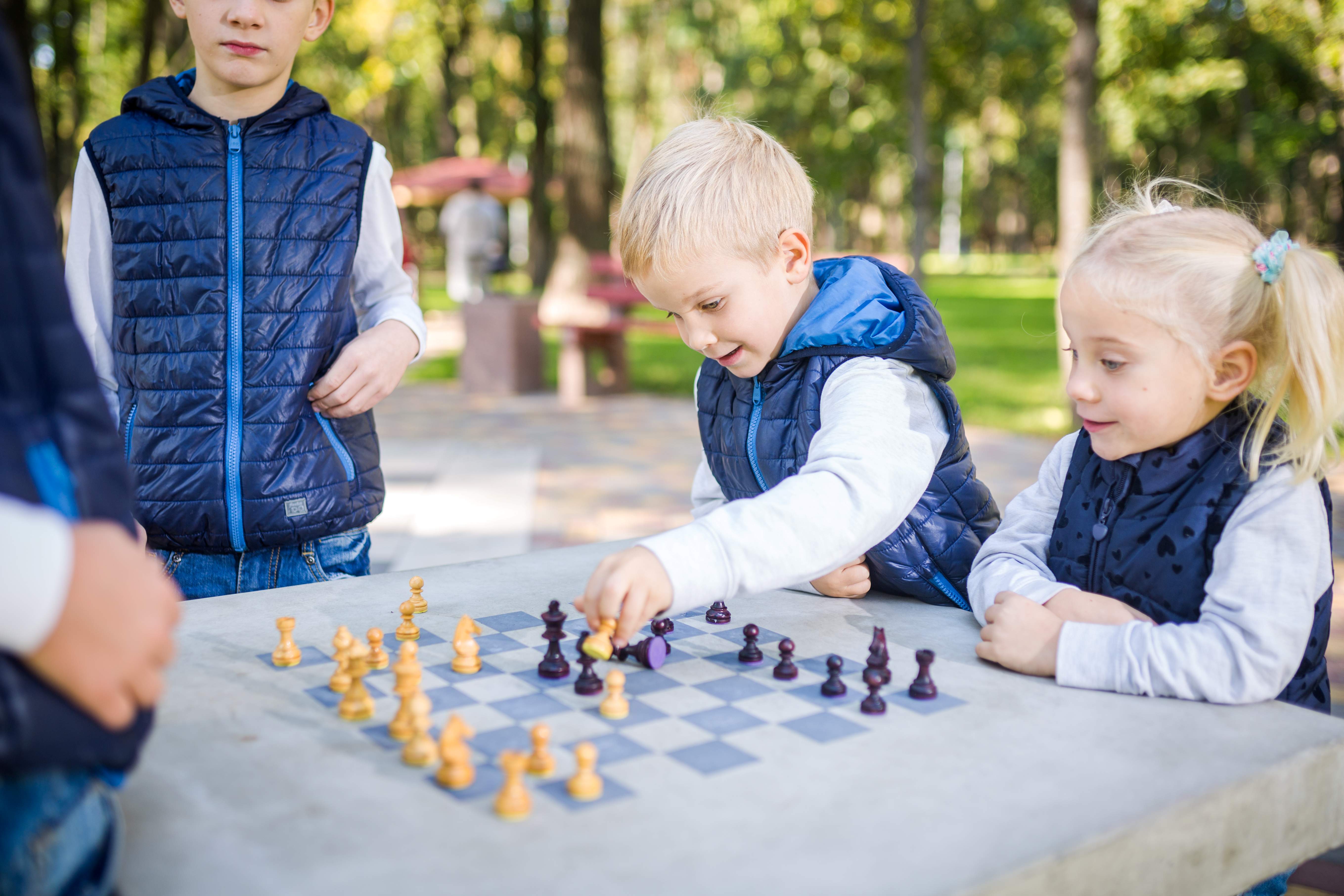
Incorporating healthy competition into your children's lives can also be beneficial. Activities like sports or board games can provide an outlet for their competitive spirit. Learning to both win and lose gracefully is a valuable life skill. This includes celebrating victories without gloating and accepting defeats without resorting to tantrums or blaming others. Above all, they should learn to play fair and treat their opponents with respect.
Another helpful approach is to create opportunities to celebrate and encourage each child individually, while also involving their siblings in the festivities. While some parents give small gifts to their other children on a sibling's birthday, it's crucial for children to learn how to celebrate others without making it about themselves. They can participate by helping choose or make a gift, attending games or performances, or offering compliments on a sibling's artwork or academic achievements. The key is to ensure that every child feels celebrated and valued, without any one child being overlooked or becoming the sole focus.
Most importantly, it is crucial for your children to feel equally loved and valued. Even if you naturally connect more easily with one child, it's essential to ensure that none of them perceive any favoritism. You may not always be aware of showing favoritism in this way, so take some time to reflect on whether you connect more easily with certain children and if that leads to giving them more attention or time.
If you find it challenging to be equitable or are struggling to connect with one of your children, consider seeking guidance from a parent coach or counselor. In cases where one child has greater needs, such as a baby or a child with special needs, help your other children understand the situation and involve them as much as possible. This doesn't mean transferring responsibility to them, but rather having them help alongside you. It's also vital to ensure that each child still receives regular one-on-one time with you.
While some sibling relationships may naturally be more challenging than others, especially when there are competitive personalities involved, building a positive dynamic is still achievable with dedicated time and effort. However, I acknowledge that certain situations may necessitate additional support.
Children who have experienced trauma may sometimes direct their pain towards their siblings and others. In such cases, the advice provided here remains relevant, but I strongly urge you to seek professional help for both your child and yourself. A professional can assist your child in processing their trauma and moving forward in a way that minimizes lasting harm. Additionally, you may also be coping with your own trauma, either from sharing a similar experience or from the distress of witnessing your child's suffering. Seeking professional guidance can provide you with the necessary tools to support your child effectively.
Your other children may also benefit from professional help, even if they haven't directly experienced the same trauma. Observing a sibling's struggles can be difficult and may require additional support and guidance.
Remember, children can develop resilience, but like conflict resolution, it's not a skill they can master alone. Addressing these challenges now will prevent unnecessary pain and heartache in the future.
Donielle Laine is a parent of two who understands the joys and challenges that come with raising children. With her associate’s degree in early childhood education and Master's degree in Developmental Psychology, she offers parent coaching services to support you on your parenting journey.
Whether you're facing specific parenting challenges, seeking general guidance on how to enhance your parenting skills, or preparing for the arrival of your first child, she is here to help.
She would be happy to discuss how her parent coaching services could benefit your family. Appointments run 50 minutes and are $150 per session. Schedule your appointment: https://calendar.app.google/XpaWpotDL8G4jvm88