- Mar 31, 2025
ARE YOU READY? ITS POTTY TIME!!
- Donielle Laine
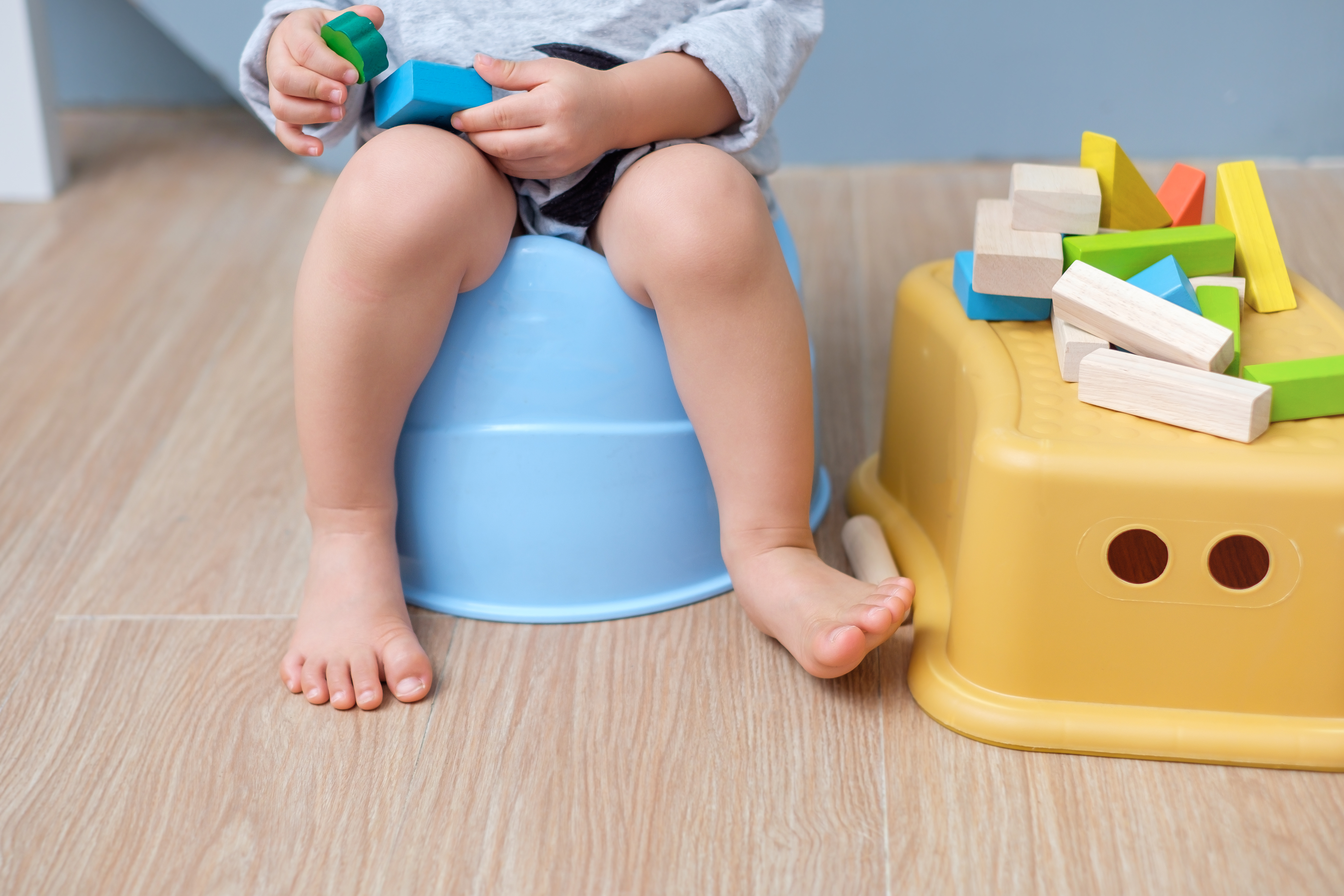
Potty training is a significant milestone in a child's development and one in which parents may experience both excitement and apprehension. On one hand, the end time of diapers is in sight, but the process may be daunting. While every child and situation is different, there are some general things to consider to make potty training successful for both you and your child.
Choose the Right Time
Some parents choose to practice elimination communication, which essentially is potty training from birth or shortly thereafter. This is a pretty small group and, therefore, we will not cover it here. For those interested in information concerning it, this website is a good place to start.
For the majority of parents, potty training usually begins around the age of 2. Some signs that your child may be ready to potty train are:
They stay dry for longer periods of time.
They begin pulling at their diaper or even taking it off.
They come to you on their own to have their diaper changed
They express interest in the toilet.
Prepping for Potty Training
Start with Diaper-Free Time
This can start in infancy. After bath time may be a good time for this. It can help the child get used to the feeling of not wearing a diaper outside of the bathtub. You can begin to increase their diaper free time as they get older and are going longer between diaper changes.
Prepare Your Child
As frustrating as it may be for some parents, having your child follow you into the bathroom can be a good step in showing them what going potty looks like and that everyone does it, even Mom and Dad. This can also get them used to the sound of the toilet flushing which can be jarring for some children.
You can also read books with them concerning going potty and talk to them about the process in an age-appropriate way, so they know what to expect.
Choose the Right Potty
There are several different options for potty training. You can get a small toilet that can be easily moved from room to room and is small enough for the child to use on their own, but would need to be cleaned out after each use. There is also the option of a toilet cover that makes the opening of a regular toilet smaller, though this would also require a step stool for the child to reach and would need to be removed for adult use. It is best to think about your lifestyle and how you plan to go about potty training in order to make the best choice for your child.
During Potty Training
Create a Positive Environment
You may begin by being light-hearted in your approach. If the child is anxious about being on the potty or has a difficulty letting go, so to speak, reading or telling stories to your child or singing songs to get their mind off of things may help their body relax enough to go on their own. It also creates moments of connection that help the child have good associations with going potty.
Be encouraging and not punishing. It can be frustrating when a child won’t go potty, but a parent’s bad reactions can cause anxiety making it more difficult for them to go on the potty.
Be Patient and Consistent
Potty training can take time, so be patient and consistent with your approach. Try not to switch back and forth between diapers and underwear. It is ok to use “wean” from diapers by having the child wear diapers during sleep times and underwear when awake and then removing the diapers for naptime and then bedtime as the child learns to control their bladder.
Another option is to use cloth diapers or cloth trainers so the child feels like they are wearing underwear, but there are less chances of soiling clothing and other items. Pullups may be helpful as they are put on like underwear, but they still have the feel of a diaper, so the child may not fully differentiate between them and diapers.
There are many methods out there. Personally, I find the most effective, albeit not necessarily the quickest, is to have the child try to potty starting every 30 minutes. Have the child sit on the potty for no more than a minute or two. If they don’t go in that time, don’t worry about it. As the child seems to be not really needing to go every 30 minutes, then you can extend the time to 45 minutes and then an hour. Eventually, you may find the child telling you when they need to go. If you’re going out, make sure the child goes potty before leaving the house and ask frequently if they need to potty while out. This is another area that requires consistency.
Promote Independence
This is a good time to begin teaching them to dress themselves, if you haven’t already as they can begin to pull up and down their own pants and underwear.
At the beginning, you will need to wipe them yourself, but it is still a good idea to get them in the habit of washing their hands after pottying. A note concerning a child wiping themselves: young children are still developing coordination and have different proportions than adults which can make it difficult for them to properly wipe themselves. It’s certainly worth encouraging them to do it themselves and coming in after to make sure they’re all cleaned up, but it may take time for them to get to the point where they can properly clean themselves on their own.
Offer Praise and Rewards
Some parents want to immediately jump into stickers and rewards, but I recommend just starting with verbal praise. This may be all the child needs to encourage them in their potty training. If there is an aspect of potty training the child may be struggling with, then you can begin to introduce stickers and other positive reinforcement when the child has successes in those areas.
Manage Accidents
Accidents are an inevitable part of potty training. Even if you are one that did something like the 3 day challenge where you stayed home and did nothing but potty training for 3 days and your child is a champ, it is highly likely that they will still have an accident now and then. It is important to, first, not react harshly. Simply clean the child up and encourage them to make it to the potty next time. Make it seem like no big deal and just part of the process, because that’s exactly what it is. Second, I’d recommend keeping an extra set of clothing (or several) on hand when you go out for the next several years even if it’s been months since they last had an accident. It is not uncommon for a 5 year old to randomly have an accident which will likely be embarrassing and frustrating for them as much as it will be for you, but if you’re prepared and they can get cleaned up quickly, it will be less of an ordeal.
There will likely be times when the child has an accident immediately after having been on the potty. It is tempting to get angry in these moments, but remember that your child is still learning and they need your patience and help, not your anger. Take a deep breath and continue on as with any other accident, calmly getting them cleaned up and reminding them to go in the potty next time.
Issues That May Arise
Child will go pee on the potty, but refuses to poop
I remember with my oldest, she would wait until I put her diaper on for the night before going poop. It was frustrating, but I came to find out this is a common issue. Pooping feels different than peeing and some children really don’t like the feeling. It seems strange to us as we would find the feeling of pooping in a diaper much more off-putting, but, up to this point, that is all they have known. This may be a time to discuss the different sensations and how they will get used it. You can also use this time to connect by reading stories and other suggestions mentioned earlier to help the child relax. This would be an issue that stickers and prizes may be effective, as well.
Child is staying dry during the day, but still having nighttime issues
There are some remedies to consider such as limiting liquids close to bedtime. You can also wake your child up to go potty just before you go to bed yourself if they go to bed a couple hours before you. However, some children may have some issues gaining nighttime control of their bladder for several years. If your child is reaching school age and still needing to wear pullups at night, it may be worth seeing a professional that can help teach your child techniques to strengthen their pelvic floor muscles to better control their bladder. Some children may require medication and further assistance, but certainly start with the first suggestions.
Child has been potty trained, but has recently started having accidents again
This is pretty common and can have a few different causes. If a child is going through a new developmental stage, they may regress in other areas, including pottying. If there have been major changes in the child’s life such as a move, new baby, going to daycare, etc, the child may regress. Really evaluate anything major that may be going on in the child’s life. Unfortunately, there is another possible cause such as abuse, but it is best to look at other possibilities before jumping to this, but it also shouldn’t be overlooked.
Seek Professional Help if Needed
If you're concerned about your child's progress or encountering significant challenges, consult a pediatrician or a child development specialist.
Remember, every child is unique, and the pace of potty training may vary. Some methods may work with one child and not with others. Ultimately, with patience, consistency, and positive reinforcement, you can help your child achieve this important milestone.